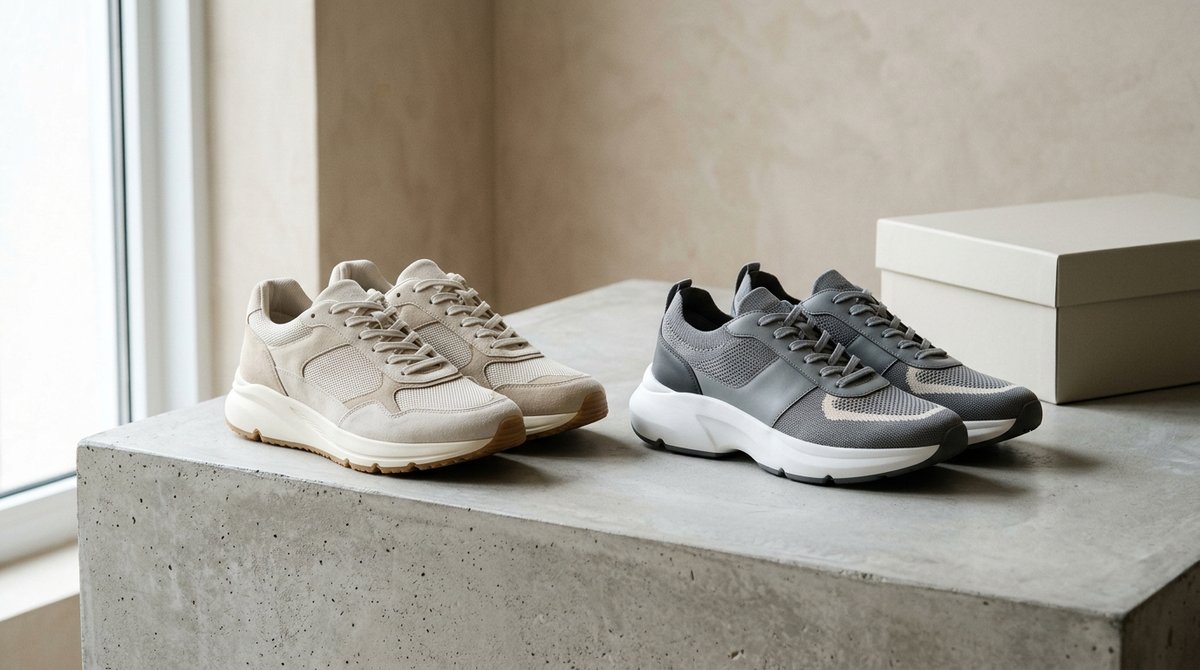
Trying to use a 20% off coupon on a fresh Jordan release or a hyped New Balance collaboration is one of the fastest ways to burn ten minutes at checkout. Sneaker retail has stricter brand-exclusion lists than almost any other apparel category, and resale marketplaces operate on a completely different fee structure.
Why retail sneaker codes get rejected
On Foot Locker, Nike, and Converse, every product page carries a hidden exclusion flag set by the manufacturer. New launches, limited collaborations, and core classics like white Air Force 1s or Panda Dunks are blocked from sitewide coupons. On Foot Locker, look for the small gray line near the size picker that reads "Excluded from discount." If that line is there, no general promo code will touch the subtotal.
The exception on retail sites is seasonal clearance and older colorways. Once a running shoe or lifestyle sneaker sits on the site for 60 to 90 days, brands usually lift the coupon block. That is when an extra 20% off sale-on-sale code at Nike, Puma, or New Balance takes real money off the price.
How StockX discounts work (and what they ignore)
Shoppers often search for a StockX promo code expecting a percentage off the shoe price. StockX almost never discounts the seller's Ask price with a universal coupon, because StockX runs a marketplace matching buyers and sellers instead of holding its own retail inventory.
When StockX runs a promotion, it usually takes one of three forms:
- Flat dollar codes ($10 to $25 off) sent to new accounts or dropped during holiday weekends, usually with a minimum order threshold of $150 or $200.
- Reduced buyer processing fees during 24-hour flash events, which trim the checkout surcharge instead of the base bid.
- Seller fee discounts (50% off selling fees), which occasionally nudge sellers to accept slightly lower Bids during the promo window.
Because StockX adds a processing fee, shipping, and sales tax on top of the Ask price, always compare the final all-in checkout total against retail restocks. A $140 Ask on StockX easily lands near $175 after fees and shipping, which can end up higher than buying a discounted retail pair directly.
Where sneaker codes still give consistent savings
If you are buying daily trainers, skate shoes, or non-limited colorways, direct brand outlets and multi-brand retailers beat resale every time. Puma regularly runs 20% to 30% codes that work on clearance running and lifestyle pairs. Converse allows email signup codes and student discounts on most standard Chuck 70 and Chuck Taylor styles, excluding custom collabs.
At Foot Locker, signing up for a free FLX membership removes the standard shipping fee on orders without a minimum spend. Even when a pair is excluded from percentage codes, saving $7.99 to $9.99 on delivery matters on a $95 shoe. New Balance rarely discounts Made in USA pairs with public codes, so checking authorized retailers like Zappos or Nordstrom Rack for past-season colors is usually a better move than waiting on a direct code.
Checking a pair before you pay full price
Copy the exact style code (the nine-character SKU printed on the box label or listed under product details, such as DD1391-100) and search it across two or three stores before checking out. Retailers frequently mark down the exact same colorway on different weeks, and finding one store that moved the shoe into clearance lets you stack an extra sale code on top.